
How to Choose Professional Skin Care for Aging Skin
Last Updated: November 5, 2026
Quick Summary
Professional skin care for aging works best when it targets the causes of visible change, such as sun damage, slower cell turnover and a weakened moisture barrier. Choose products with proven actives like retinoids, vitamin C or niacinamide at meaningful concentrations, and use them consistently every day.
Photoaging from repeated sun exposure is a major driver of wrinkles, age spots and lost elasticity.
Retinol over the counter typically ranges from about 0.1% to 1%, and new users should start slowly.
Vitamin C formulas in the 10% to 20% range are common, and an orange or brown bottle has oxidized.
Introduce one new active at a time and give it several weeks before adding another.
Visible results from skin care typically take several weeks to months of consistent use.
Table of Contents
Understanding the Signs of Aging Skin
Professional skin care for aging starts with knowing what your skin is actually showing you. Fine lines, uneven tone, dullness and loss of firmness usually appear gradually, which is why many people only notice them after years of change. Sun exposure, cellular turnover that slows with age, and a weakened moisture barrier all contribute, so the goal is to address several causes at once. (Source: the American Academy of Dermatology's insights on photoaging)
Photoaging is the term dermatologists use for damage that builds from repeated sun exposure over time (the American Academy of Dermatology). It often shows up as wrinkles, age spots and loss of elasticity before the skin looks obviously older. Many people find that treating these visible signs early leads to better results than waiting until deeper lines have formed.
Key Ingredients in Professional Skin Care for Aging
Certain ingredients have a strong track record in anti-aging routines, and the difference between a professional-grade formula and a drugstore one usually comes down to concentration, delivery system and stability rather than a secret molecule. Knowing what each active does, and at what strength, lets you compare products on the label instead of on the marketing.
Retinoids (retinol, retinal, tretinoin). Retinoids remain the most studied class for fine lines, texture and tone because they speed up cell turnover and support collagen production. Over-the-counter retinol typically ranges from about 0.1% to 1%, while retinaldehyde is stronger per molecule and prescription tretinoin is stronger still. Many people start with a few nights a week and build up gradually, since early use can bring flaking and mild redness.
Vitamin C (L-ascorbic acid and derivatives). L-ascorbic acid is the best-studied form, and formulas in the 10% to 20% range with vitamin E and ferulic acid are common because that combination improves stability. It is a morning ingredient, layered under sunscreen. Watch out: L-ascorbic acid degrades in light and air, so a bottle that has turned deep orange or brown has oxidized and is no longer doing much.
Niacinamide. It is unusually well tolerated and plays well with most other actives, which is why it shows up in so many formulas at roughly 2% to 10%. Higher percentages are not automatically better; some people find 10% or more irritating.
Hyaluronic acid and glycerin. These are humectants, meaning they pull water into the upper layers of skin. Hyaluronic acid can hold many times its weight in water, and glycerin is one of the most reliable, inexpensive humectants in skin care. They work best applied to slightly damp skin and sealed in with a moisturizer, because in very dry air a humectant without an occlusive layer can leave skin feeling tight.
Ceramides, peptides and cholesterol. These are the ingredients that make a richer cream worth the money for mature or dry skin, and they pair well with retinoids because they offset some of the dryness.
Exfoliating acids (glycolic, lactic, mandelic). Glycolic is the smallest molecule and penetrates fastest; lactic is gentler; mandelic is larger and often better tolerated on deeper skin tones because it is less likely to trigger post-inflammatory hyperpigmentation. Use these at night, not on the same night as a retinoid when you are starting out, and always with daily sunscreen.
How to layer them. A workable order is cleanser, then the thinnest active (vitamin C in the morning, a retinoid or acid at night), then a hydrating serum, then moisturizer, then sunscreen in the morning. Introduce one new active at a time and give it several weeks before adding another, so you can tell what is helping and what is causing irritation.
Affordable options. You do not need a luxury label to get common actives. Products such as a fragrance-free retinol, a niacinamide serum, a basic ceramide cream and a broad-spectrum sunscreen are widely available. Check the ingredient list for the active and its percentage rather than the front of the bottle, and favor formulas with short, stable ingredient lists over crowded ones with little of any single active.
A note for melanin-rich skin. Aging shows up differently on deeper skin tones: fine lines may appear later, but uneven tone, dark spots and post-inflammatory hyperpigmentation tend to be the bigger concern. Gentle exfoliation, consistent sunscreen and pigment-focused actives such as niacinamide and azelaic acid often matter more than aggressive resurfacing, which can backfire by triggering more discoloration.
The article compares the main anti-aging actives by what they do and the strengths they typically come in.
Ingredient | Typical strength | Key note |
Retinoids (retinol, retinal, tretinoin) | Retinol about 0.1% to 1% (OTC) | Speed cell turnover; start slowly |
Vitamin C (L-ascorbic acid) | 10% to 20% | Morning use under sunscreen; discard if orange or brown |
Niacinamide | About 2% to 10% | Well tolerated; higher is not always better |
Hyaluronic acid and glycerin | Humectants | Apply to damp skin and seal in with moisturizer |
Glycolic, lactic, mandelic acids | Exfoliating acids | Use at night; mandelic is gentler on deeper skin tones |
What Is the Best Anti Aging Cream That Really Works?
There is no single best anti-aging cream, because the right one depends on your skin type, your main concern and how much you are willing to spend. What separates a cream that works from one that sits unused on the shelf is whether it contains a proven active at a meaningful concentration, whether the formula suits your skin, and whether you will actually apply it every day.
Match the cream to the concern. If fine lines and texture are the priority, a retinoid cream is the most evidence-backed choice. If dryness and a compromised barrier are the issue, a ceramide-and-cholesterol cream with hyaluronic acid or glycerin will do more visible work than a trendy active. If uneven tone and dark spots are the focus, look for niacinamide, vitamin C or azelaic acid. Many people do best with two creams: a lighter active formula at night and a richer barrier cream as needed.
What to look for on the label. Check for the active and, where listed, its percentage. A retinoid cream that names its retinol concentration is easier to judge than one that only says "retinol complex." Fragrance-free formulas are a safer bet for sensitive or reactive skin, and non-comedogenic labeling matters if you are acne-prone. Packaging counts too: vitamin C and retinoids degrade with light and air, so an opaque pump or airless bottle protects the formula better than a wide-mouth jar.
What "really works" actually looks like. Visible change from skin care typically takes several weeks to months of consistent use, and the first few weeks with a retinoid often bring mild dryness or flaking before skin adjusts. A cream that claims overnight transformation is overselling. Realistic expectations, applied daily, beat an expensive product used sporadically.
Budget-friendly options. Common actives are not exclusive to premium products. Fragrance-free retinol creams, niacinamide serums, ceramide moisturizers and broad-spectrum sunscreens are widely available at a range of price points. Compare the active and its percentage across price points; a short, stable ingredient list often outperforms a crowded bottle with little of any one ingredient.
When to see a professional. If over-the-counter creams have not improved your skin after a few months, or if you have a skin concern, a dermatologist can assess your skin and discuss options. Bring your current products so they can spot gaps, such as missing sun protection or an overly harsh exfoliant, and adjust the routine rather than adding more products.
Dermatologist Recommended Skin Care Products for Aging Skin
Rather than chasing a single product, ask a dermatologist to review your current routine and identify gaps, such as missing sun protection or an overly harsh exfoliant.
Professional Skin Care for Aging Over 60
Skin over 60 is thinner, drier and slower to repair, so gentler formulas and richer moisturizers usually work better. Focus on barrier repair with ceramides and hyaluronic acid, daily broad-spectrum sun protection, and treatments that stimulate collagen production without excessive irritation.

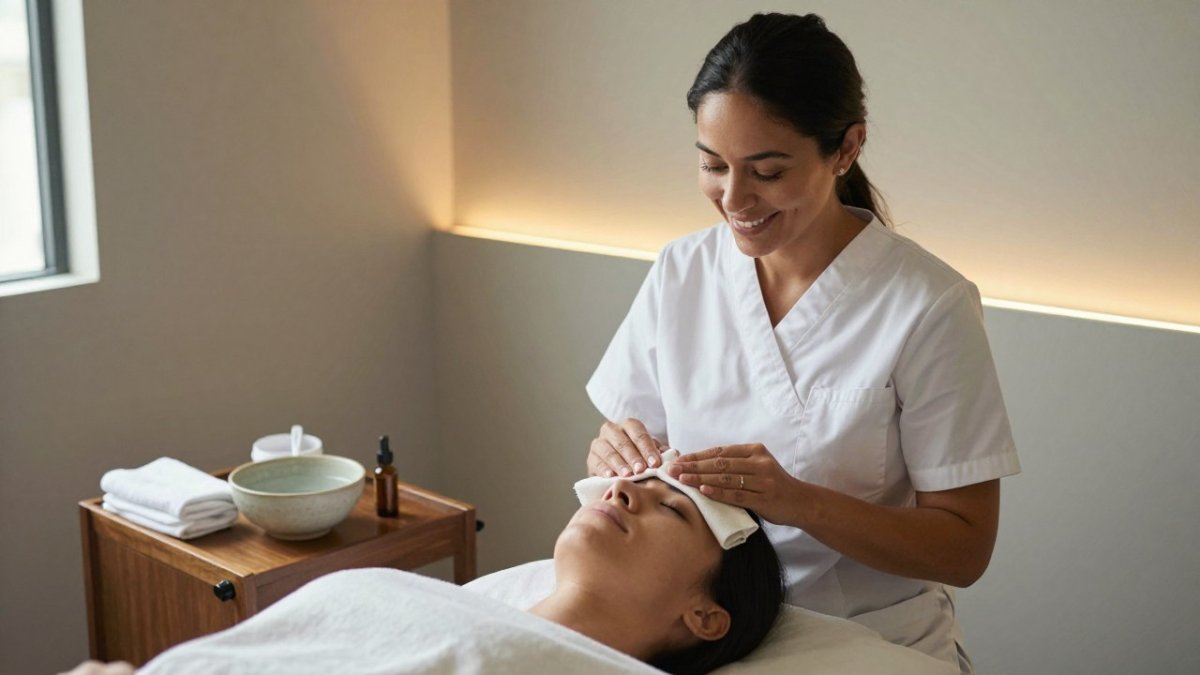
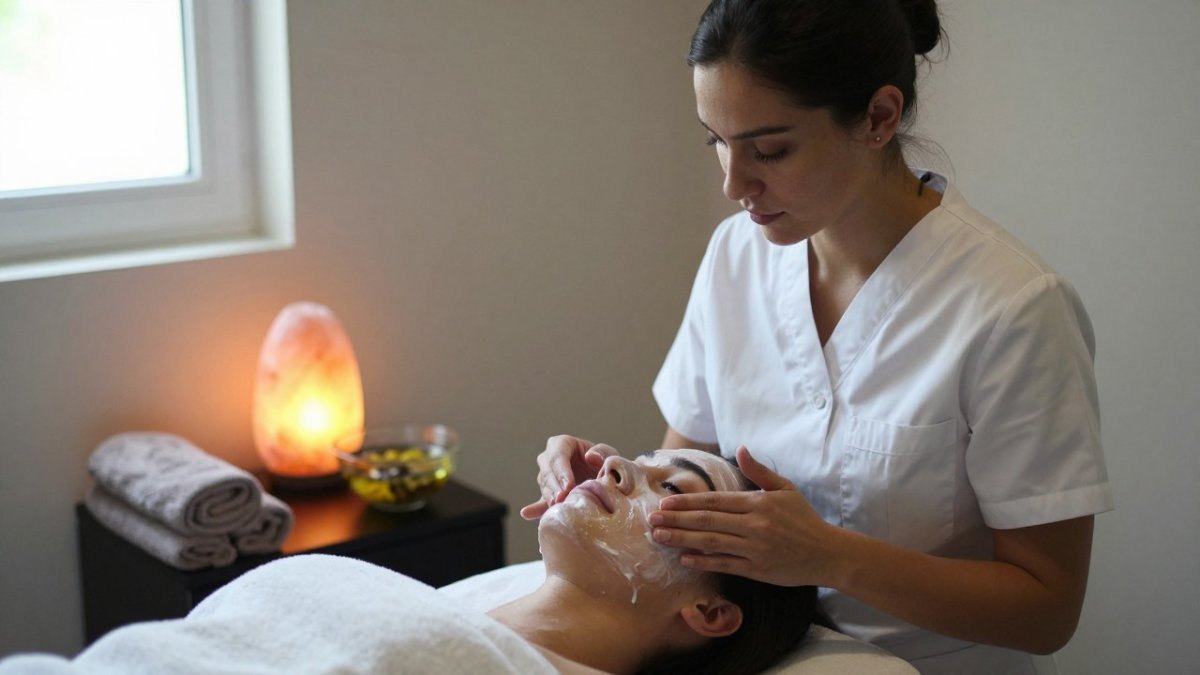
Professional facials can be a good complement to home care at this stage, provided the therapist adjusts pressure and products for mature skin.
Best Anti Aging Skin Care Products for 60s and Beyond
For people in their 60s and beyond, the most useful products tend to be simple: a gentle cleanser, a barrier-supporting moisturizer, a daily SPF 30 or higher, and a targeted serum for tone or texture if the skin tolerates it. Layer lightest products first and heaviest last.
Avoid combining several strong actives at once. Introducing one product at a time makes it easier to tell what is helping and what is causing irritation.
Booking Your First Professional Facial at Rekindle
If you are considering a first professional facial, Rekindle Massage & SkinSpa offers massage and skin care services inside Special Effects Beauty Salon in Borger, Texas. You can review the current offers and pricing before you decide, then book your appointment by calling or texting 918 730 8649. For questions about scheduling, see the contact details.
Pricing depends on the treatment, so confirm current rates with Rekindle Massage & Skin Spa before your visit. Bring a list of your skin concerns and any medications you take, so the therapist can tailor the session to your needs.
Frequently Asked Questions
What is the most effective skin treatment for aging skin?
No single treatment works for everyone. Professional facials, chemical peels and microneedling each address different concerns such as texture, dullness or fine lines. Results depend on skin type, the condition being treated and consistent use of a daily routine that includes sunscreen. A consultation with a licensed esthetician or dermatologist can help you match a treatment to your goals and set realistic expectations before you book.
Are professional facials worth it for aging skin?
Professional facials can improve hydration, glow and the feel of skin texture, and they give a trained professional the chance to assess your skin in person. They are not a replacement for medical treatment of specific conditions. Results are typically temporary and work best combined with a home routine. Ask the provider what the session will involve, what products they use and what outcomes are realistic for your skin.
What is the best anti aging cream that really works?
Creams with ingredients that have research behind them, such as retinoids, peptides, niacinamide and ceramides, are commonly used for aging skin. Effectiveness depends on your skin type and tolerance, and most visible changes take several weeks to months of steady use. Daily sunscreen remains the most important step. Patch test new products and ask a dermatologist which formula suits your concerns.
Ready to start? Rekindle Massage & Skin Spa can review your skin concerns and recommend a treatment plan that fits your routine.

Comments